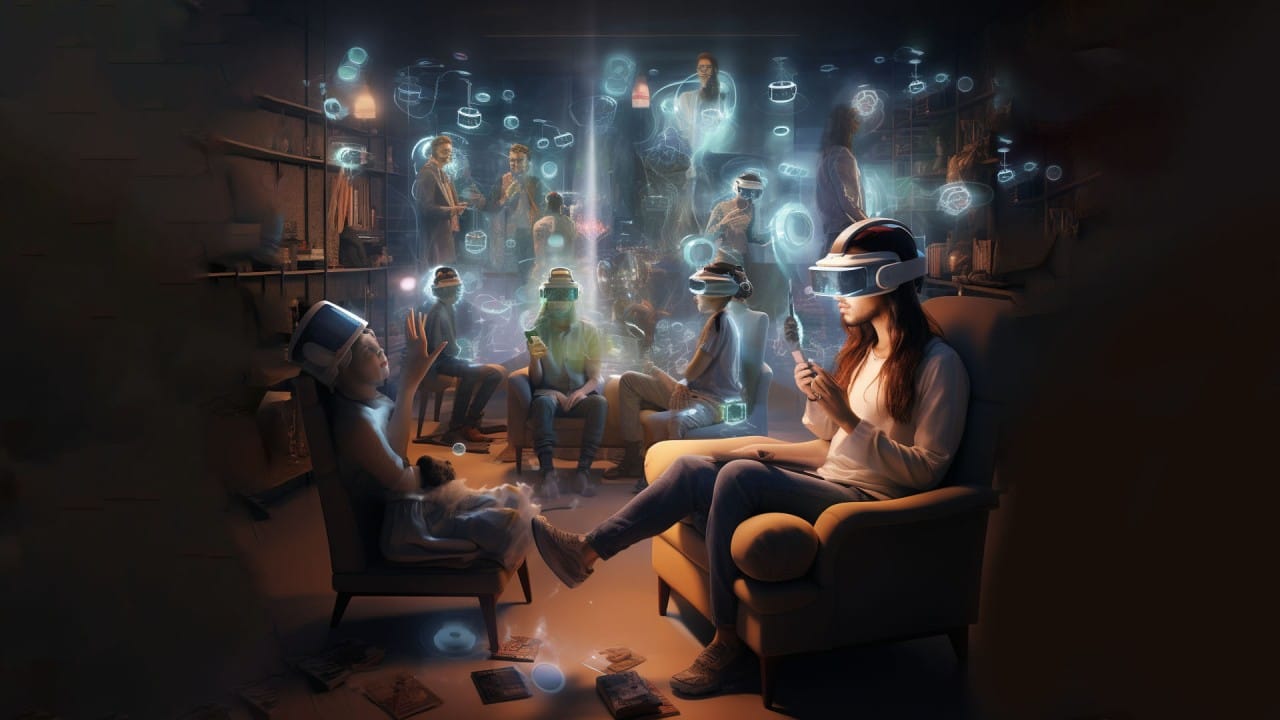
In recent years, the term “Metaverse” has become more than just a buzzword. It represents a vision of the future where digital and physical realities merge to create immersive virtual worlds. As we step further into 2025, the Metaverse is rapidly evolving and transforming how people interact, learn, shop, and work.
What is the Metaverse?
The Metaverse is a shared, persistent digital universe that blends augmented reality (AR), virtual reality (VR), and the internet. It allows users to socialize, create, explore, and engage in real-time using digital avatars. Unlike a traditional game or website, the Metaverse offers a 3D, interactive experience that feels almost lifelike.
Why Is the Metaverse Gaining Popularity?
The rise of advanced technologies such as 5G, blockchain, NFTs, AI, and spatial computing has made the Metaverse more accessible and powerful. Major tech giants like Meta (formerly Facebook), Apple, Google, and Microsoft are investing billions to build their virtual ecosystems.
During the COVID-19 pandemic, people turned to digital platforms to stay connected. This shift highlighted the need for better digital experiences and gave the Metaverse concept a major push forward.
How the Metaverse is Changing Society
1. Social Interactions
Virtual hangouts are becoming the new normal. From attending concerts and birthday parties to hanging out in virtual cafes, the Metaverse offers a new way to socialize without physical boundaries.
2. Education and Learning
Virtual classrooms are now more interactive and engaging. Platforms like Roblox Education and Meta’s Horizon Workrooms allow students to learn through experience and collaboration in a 3D environment.
3. Remote Work
The future of work is going beyond Zoom calls. Virtual offices in the Metaverse enable employees to meet, collaborate, and brainstorm as if they’re in the same room, boosting productivity and engagement.
Business in the Metaverse: A New Economy
1. Virtual Real Estate
Companies and individuals are buying virtual land in platforms like Decentraland and The Sandbox to build stores, event spaces, and offices.
2. Digital Fashion and NFTs
Brands like Nike, Gucci, and Adidas are launching virtual wearables that users can buy as NFTs to dress their avatars, creating a whole new economy.
3. Retail and E-Commerce
Virtual storefronts allow users to try products in a 3D space before purchasing them. This immersive experience is transforming e-commerce into something more personal and interactive.
Challenges and Concerns
While the Metaverse holds immense potential, it also raises valid concerns:
- Privacy and security: How will user data be protected?
- Mental health: Will excessive time in virtual spaces impact real-life relationships?
- Digital divide: Will everyone have equal access to the Metaverse?
These issues need to be addressed to ensure a safe and inclusive digital future.
Conclusion
The Metaverse is not just a futuristic concept—it’s already here and growing rapidly. In 2025, it’s clear that this digital universe is reshaping how we live, learn, work, and connect. While we still have a long way to go in terms of infrastructure and ethics, one thing is certain: the Metaverse is set to be one of the most transformative technologies of our time.